
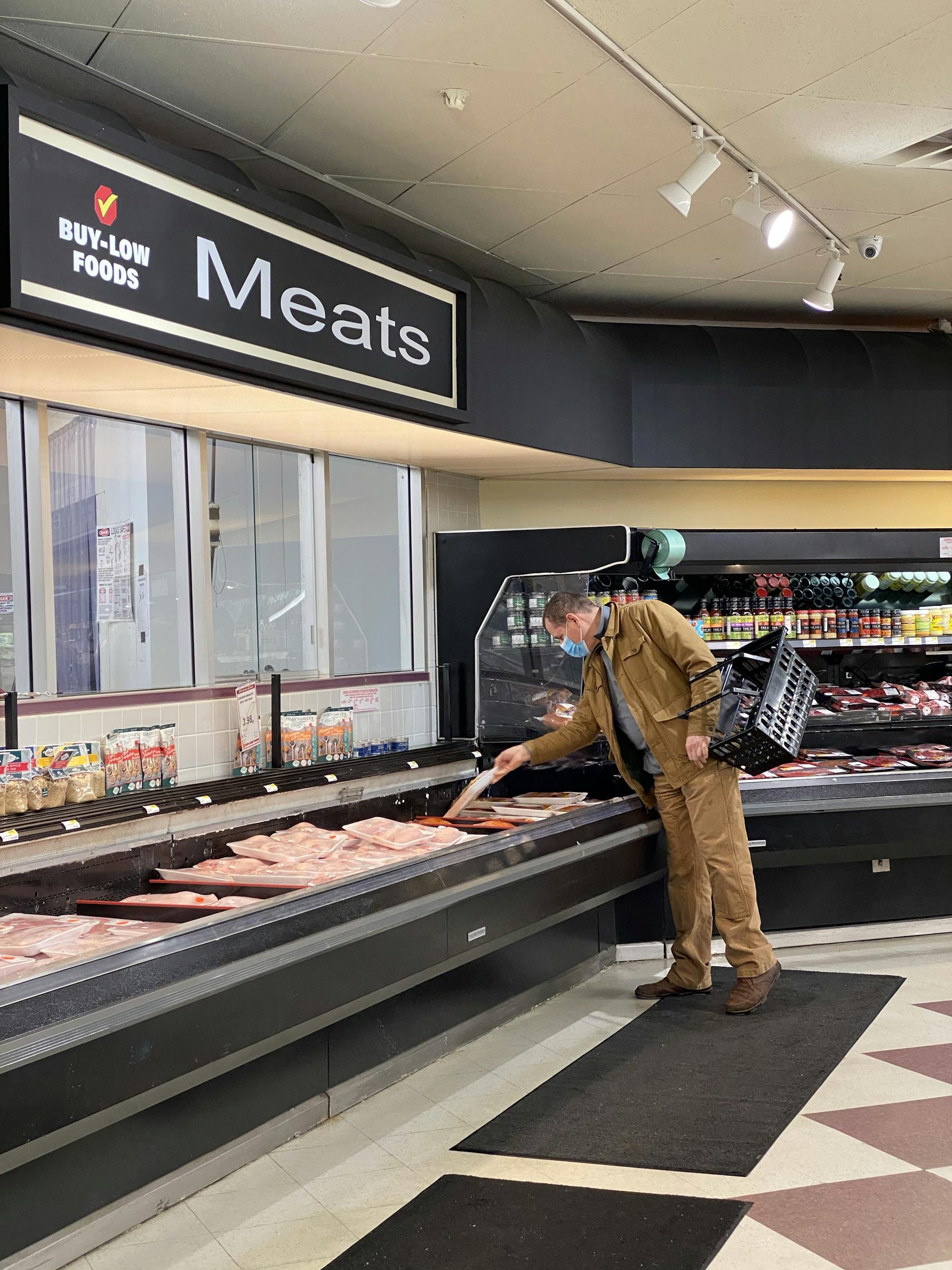
Key Considerations for Wholesale Meat Purchasing: Quality Control, Supplier Selection, and Pricing
Wholesale meat purchasing is a critical process for businesses in the food industry, including restaurants, retailers, and catering companies. Ensuring quality, selecting reliable suppliers, and negotiating favorable pricing are essential steps to maintaining profitability and customer satisfaction. This article explores the key factors to consider when buying meat in bulk, offering actionable insights for businesses of all sizes.
Quality Control: Ensuring Premium Standards
Meat Grading and Certifications
Understanding meat grading systems and certifications is essential for ensuring quality. Look for grades like USDA Prime, Choice, or Select in the United States, or equivalent standards in your region. Certifications such as organic, grass-fed, or free-range provide additional assurances about the meat’s quality and production methods.
Inspections and Hygiene Standards
Always verify that the meat has been inspected and approved by relevant health authorities. Check that suppliers adhere to strict hygiene and food safety protocols to avoid contamination and maintain freshness.
Storage and Transportation
Proper storage and transportation play a significant role in preserving meat quality. Ensure that suppliers use temperature-controlled vehicles and adhere to cold chain standards. Inspect packaging for signs of damage, as this could compromise freshness.
Supplier Selection: Building Strong Partnerships
Researching Suppliers
Conduct thorough research to identify reputable suppliers. Look for businesses with positive reviews, long-standing experience in the industry, and a solid track record of delivering quality products.
Certifications and Compliance
Ensure that suppliers meet regulatory standards and possess necessary certifications, such as HACCP (Hazard Analysis and Critical Control Points) or ISO certifications. Compliance with these standards indicates a commitment to quality and safety.
Reliability and Communication
Choose suppliers known for reliability and excellent communication. Consistent delivery schedules and transparent communication about product availability or issues are critical for seamless operations.
Conducting Site Visits
Whenever possible, visit supplier facilities to assess their operations firsthand. This provides valuable insights into their production processes, storage conditions, and overall professionalism.
Pricing: Balancing Cost and Value
Bulk Discounts and Negotiation
Wholesale purchases often come with volume-based discounts. Negotiate terms that align with your budget while ensuring the quality of the meat is not compromised. Building long-term relationships with suppliers can lead to better pricing and flexible payment terms.
Market Trends and Seasonal Variations
Stay informed about market trends and seasonal fluctuations in meat prices. For example, prices may rise during holidays or specific seasons. Plan your purchases accordingly to optimize costs.
Total Cost Analysis
Consider all associated costs, including transportation, storage, and potential waste due to spoilage. A lower upfront price may not always translate to cost savings if other factors increase overall expenses.
Challenges in Wholesale Meat Purchasing
Perishable Nature of Meat
Meat is a highly perishable product, making proper storage and timely transportation critical. Work with suppliers who prioritize freshness and have robust systems in place to minimize spoilage.
Regulatory and Ethical Concerns
Compliance with evolving food safety regulations and ethical sourcing standards can be challenging. Stay updated on local and international requirements, and consider sourcing from suppliers who practice humane and sustainable farming.
Supply Chain Disruptions
Global events, natural disasters, or logistical issues can disrupt meat supply chains. Build a network of multiple suppliers to mitigate risks and ensure consistent supply.
Tips for Successful Wholesale Meat Purchasing
- Prioritize Quality Over Price: While cost savings are important, never compromise on quality. Poor-quality meat can harm your business’s reputation and lead to customer dissatisfaction.
- Foster Long-Term Relationships: Collaborating with trusted suppliers ensures reliability and often results in better pricing and service over time.
- Utilize Technology: Leverage inventory management software to track orders, monitor stock levels, and reduce waste.
- Stay Updated: Regularly review market trends, regulatory updates, and supplier performance to adapt your purchasing strategy.
Conclusion
Wholesale meat purchasing is a complex but rewarding process that requires attention to detail and strategic planning. By focusing on quality control, selecting the right suppliers, and managing costs effectively, businesses can ensure consistent supply, customer satisfaction, and profitability. With the tips and strategies outlined in this guide, you can navigate the wholesale meat market with confidence and set your business up for long-term success.