
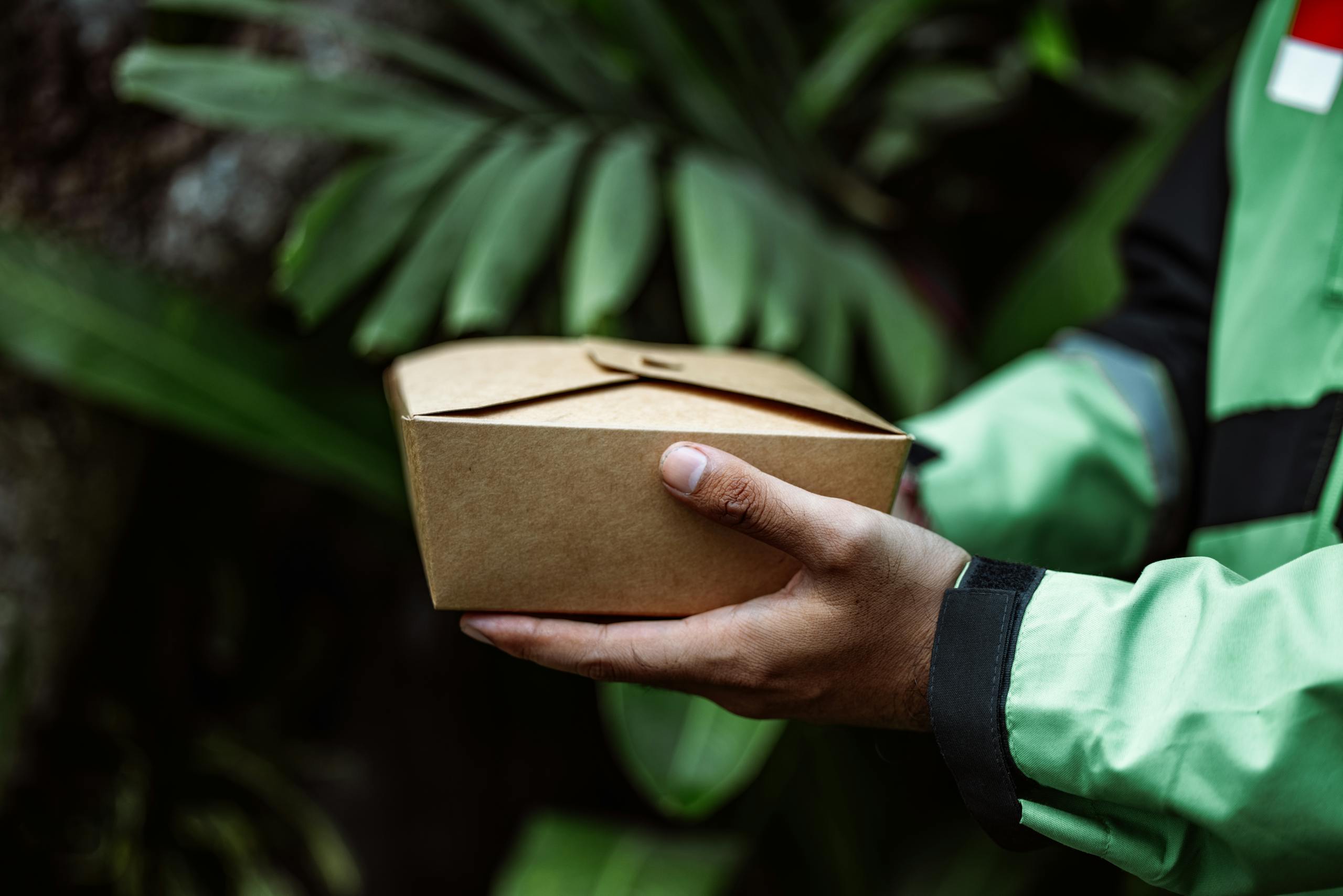
Compostable Packaging: The Solution for a Sustainable Future
As environmental concerns grow, businesses and consumers alike are seeking sustainable alternatives to traditional packaging. Compostable packaging has emerged as a viable solution, offering eco-friendly benefits while addressing the need for responsible waste management. This article explores the composting process, the advantages of compostable packaging, and its various applications across industries.
What is Compostable Packaging?
Compostable packaging is made from organic materials that decompose into nutrient-rich soil under specific conditions. Unlike biodegradable packaging, which may leave behind microplastics, compostable packaging fully breaks down without harming the environment.
Common Materials Used
- Plant-Based Plastics: Derived from corn starch, sugarcane, or potato starch.
- Paper and Cardboard: Made from recycled or sustainably sourced fibers.
- Bagasse: A byproduct of sugarcane processing.
- PLA (Polylactic Acid): A compostable biopolymer.
The Composting Process
Industrial Composting
Industrial composting facilities provide the optimal conditions for compostable packaging to break down, including:
- High Temperatures: Typically 55-60°C (131-140°F) to accelerate decomposition.
- Controlled Aeration: Ensures oxygen circulation for microbial activity.
- Moisture Regulation: Maintains the right humidity for effective composting.
Home Composting
Some compostable packaging is suitable for home composting, although the process may take longer due to lower temperatures and less controlled conditions. Check for certification labels indicating home compostability.
Advantages of Compostable Packaging
- Environmental Benefits:
- Reduces landfill waste by turning packaging into nutrient-rich compost.
- Minimizes carbon footprint through the use of renewable materials.
- Eliminates the release of harmful microplastics into ecosystems.
- Consumer Appeal:
- Aligns with eco-conscious values, enhancing brand reputation.
- Attracts environmentally aware customers seeking sustainable choices.
- Regulatory Compliance:
- Meets increasingly strict environmental regulations in many regions.
- Improves Soil Quality:
- Decomposed materials enrich soil, supporting agriculture and plant growth.
Applications of Compostable Packaging
Food and Beverage Industry
- Takeout Containers: Compostable boxes, cups, and cutlery replace single-use plastics.
- Food Wrapping: Biodegradable wraps and bags for sandwiches, fruits, and snacks.
Retail and E-Commerce
- Shipping Materials: Compostable mailers, padded envelopes, and void fillers.
- Product Packaging: Sustainable alternatives for cosmetics, apparel, and electronics.
Agriculture
- Seedling Pots: Biodegradable pots that decompose directly in soil.
- Mulch Films: Compostable films that enrich the soil after use.
Healthcare
- Medical Packaging: Compostable pouches for pharmaceuticals and medical devices.
Challenges and Considerations
- Infrastructure Limitations:
- Not all regions have access to industrial composting facilities.
- Lack of clear labeling can confuse consumers about proper disposal methods.
- Cost:
- Compostable packaging can be more expensive than traditional materials due to production costs.
- Performance:
- Some compostable materials may have limitations in durability or shelf life.
How to Implement Compostable Packaging in Your Business
- Assess Feasibility:
- Determine if compostable options meet your product requirements.
- Collaborate with Suppliers:
- Partner with certified suppliers who specialize in compostable materials.
- Educate Consumers:
- Provide clear disposal instructions to ensure proper composting.
- Certifications:
- Look for certifications like BPI, TÜV Austria, or OK Compost to guarantee compliance with composting standards.
Conclusion
Compostable packaging represents a significant step forward in reducing environmental impact and promoting sustainability. By understanding the composting process, leveraging its advantages, and exploring its diverse applications, businesses can contribute to a greener future while meeting consumer demands. Embracing compostable packaging is not just a trend—it’s an essential part of building a sustainable and responsible economy.