
Hygiene and Safety Standards in Food Packaging: Legal Regulations and Packaging Materials
Food packaging plays a crucial role in preserving the quality and safety of food products. Beyond aesthetics and functionality, ensuring compliance with hygiene and safety standards is essential for consumer health and regulatory adherence. This article delves into the key legal regulations governing food packaging and explores the importance of selecting appropriate packaging materials to maintain safety and hygiene.
Legal Regulations in Food Packaging
Global Standards and Guidelines
Food packaging regulations vary by region but are guided by international standards such as:
- Codex Alimentarius: Established by the FAO and WHO, it provides a framework for food safety practices, including packaging standards.
- ISO Standards: ISO 22000 focuses on food safety management, including packaging processes.
Regional Regulations
- United States: The Food and Drug Administration (FDA) regulates food contact substances (FCS) under the Federal Food, Drug, and Cosmetic Act. Packaging materials must be FDA-approved.
- European Union: The EU enforces Regulation (EC) No 1935/2004, ensuring that materials in contact with food are safe and do not alter food properties.
- Asia: Countries like Japan and China have their own stringent packaging laws, emphasizing consumer safety and export compliance.
Labeling Requirements
Proper labeling is a legal necessity, including:
- Material composition.
- Recycling instructions.
- Expiry dates and batch numbers.
Packaging Materials: Choosing the Right Fit
Types of Packaging Materials
- Plastic:
- Commonly used due to its versatility and cost-effectiveness.
- Ensure it is food-grade and BPA-free to avoid health risks.
- Glass:
- Non-reactive and ideal for long-term storage.
- Fragility and higher costs can be drawbacks.
- Metal:
- Suitable for canned goods and beverages.
- Coatings must prevent corrosion and contamination.
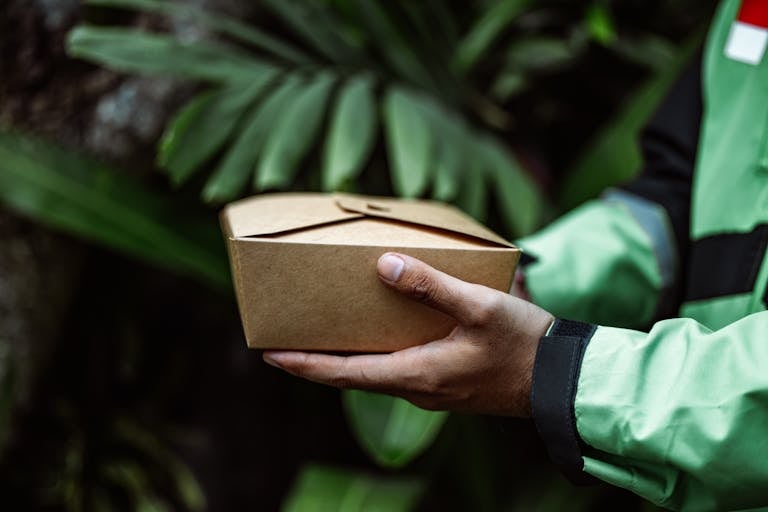
- Paper and Cardboard:
- Eco-friendly and lightweight.
- Requires food-grade coatings to prevent moisture absorption.
- Biodegradable Materials:
- Increasingly popular for sustainable packaging.
- Must still comply with safety and hygiene standards.
Hygiene Considerations
- Ensure all materials are free from toxins and contaminants.
- Select materials that provide barriers against oxygen, moisture, and light to preserve food quality.
- Use tamper-evident packaging to ensure product integrity.
Challenges in Ensuring Hygiene and Safety
Contamination Risks
Contamination can occur at any stage of the packaging process. Adopting Good Manufacturing Practices (GMP) minimizes these risks.
Sustainability vs. Safety
While sustainable materials are in demand, balancing eco-friendliness with food safety remains a challenge. Innovations in biodegradable and compostable materials are addressing this issue.
Supply Chain Complexities
Ensuring compliance across global supply chains requires meticulous monitoring of raw materials and production processes.
Tips for Compliance and Best Practices
- Conduct Regular Audits:
- Periodically review packaging processes to ensure compliance with current regulations.
- Stay Updated on Regulations:
- Monitor changes in regional and international packaging laws.
- Partner with Certified Suppliers:
- Collaborate with suppliers who adhere to recognized food safety standards.
- Invest in Training:
- Train staff on proper handling and inspection of packaging materials.
Conclusion
Maintaining hygiene and safety standards in food packaging is a multifaceted process that requires adherence to legal regulations, the careful selection of materials, and proactive management of potential risks. By understanding the regulatory landscape and prioritizing consumer safety, businesses can ensure their products meet the highest standards while fostering trust and loyalty among consumers. With evolving trends in sustainability and technology, the future of food packaging promises innovative solutions to meet these critical demands.